Everyday Betrayals
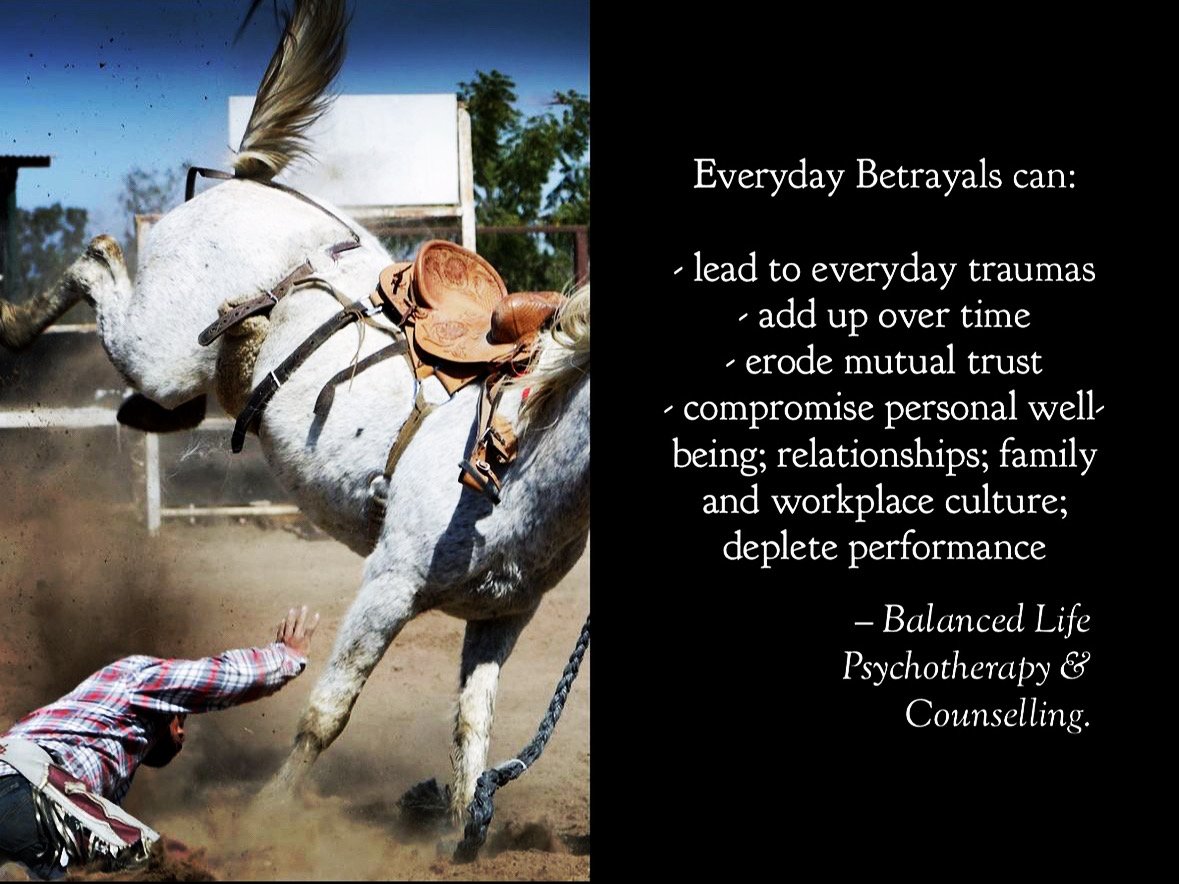
Everyday Betrayals!!!
What are some common styles of EBs?
🛑 Avoidance and fear of making decisions
🛑 Actively seek shared decision making but avoid the responsibility/blame when outcomes are negative; very eager to take credit when outcomes are positive
🛑 Our actions convey to the others that we will avoid conflict at all costs
🛑 We freeze and become mute bystanders in challenging situations especially those that revoke emotions of injustice and unfairness
🛑 We don’t share useful information with others as long as we stay out of the conflict
🛑 We are unclear and inconsistent with colleagues/direct reports and family members alike and we throw them under the bus frequently; we are consistently inconsistent and unpredictable
🛑 Ask for help but eventually minimise or blame; Offer help but eventually demean
What are some likely gains of EBs? Some of the commonly observed incentives are:
👉🏼 staying safe and away from potential criticism
👉🏼 Look good at all costs, mostly at other’s expense
How do we potentially develop patterns of daily betrayals?
- relational habits that are often reinforced in the micro culture of our families
- being driven by fear of being disliked or blamed
- Use it as a coping mechanism
Why do we need to become aware of and work on EBs?
🧨 With every let down, the strength of our relationships at work and home alike gets chipped away
🧨 a general sense of trust and security in other human beings breaks
🧨 Our nervous system stays on high alert most of the time
🧨 Everyday stress levels rise add up, effecting our personal, professional and relational wellbeing
I have worked with many clients who have suffered and sometimes unknowingly contributed to EBs.
How can therapy help?
🌈 Look at relational patterns and values
🌈 Help reflect on intrapersonal and interpersonal influences from the past and/or the present that perpetuate harmful behaviours
🌈 Communicate clear and considerate boundaries
🌈 become effective, confident and kind communicators
🌈 Tap into our authentic humanity of respect and care for others
#therapyworks #takecharge #actnow #counselling #counseling #psychotherapist #psychotherapists #therapy #singapore #sg #sgmentalhealth #mentalhealth #depression #stress #anxiety #couples #relationships #relationship #couplesgoals #relationshiprepair #premaritalcounselling #communication #healthycommunication #relationshipcommunication #individualtherapy #therapygoals #relationshipgoals #workplacewell-being #leadership #organisationalperformance #workplacegoals #worklifebalance